
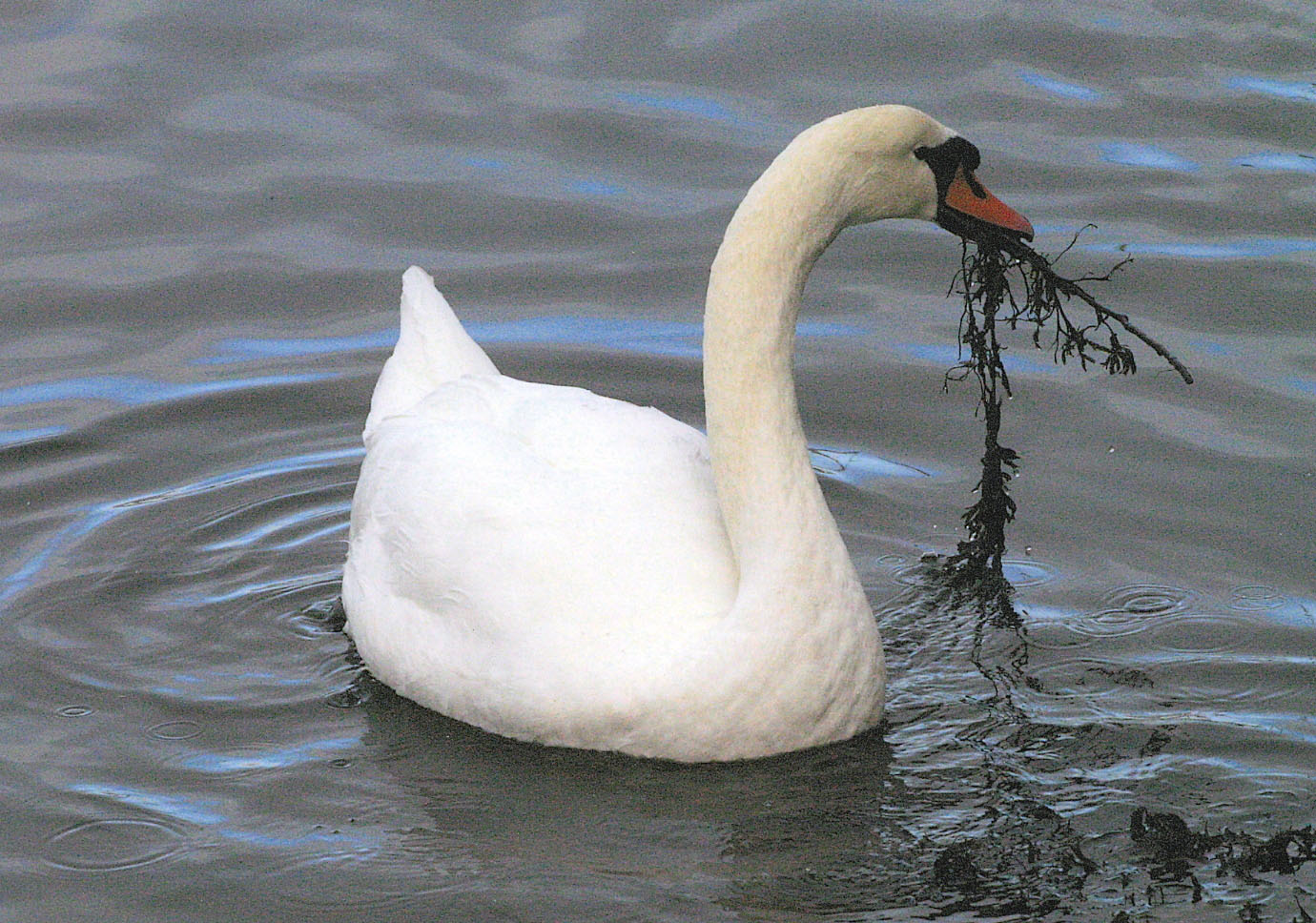
 There are so many bird watching places around Inverness that there is a wide choice but if the interest is in waders, wildfowl, not forgetting mute, whooper and Bewick’s swans, then the firths are ideal. There are hides open to the pubic at all times and they vary in style, access and comfort. Hides at The Longman, Munlochy Bay, Udale Bay and Nigg Bay offer a wide range of opportunities to see some of the spectacles of wildlife typical of the coast of the Highlands. There are other prime sites to visit where there are, for various reasons, no hides such as Chanonry Point, Redcastle, Milton of Culloden and, further afield, Tarbetness further north up the east coast. There is another good place, often overlooked, that is close to Inverness and this is Alturlie Point which is a triangular shaped headland a few miles east of Inverness.
Such places can be visited at any time of the day but for the best birdwatching opportunities the tide should be taken into account. If the tide is well out and such is the case at places like Nigg Bay then unless you see birds flying past you really need a telescope to do the place justice. Likewise if the tide is well in, especially the high tides, then the birds could be out on the water unless the sea is choppy but otherwise they often move to nearby fields or raised ground where they can be difficult to see. If you take advantage of the weekly tide tables indicated in local newspapers then you can plan accordingly. The movements of the birds at this time of the year is often dictated by two aspects of the bird behaviour. One is the need for feeding areas and the other is a safe resting or roosting place.
If the tide is ebbing then the water is revealing fresh feeding areas with more food near the surface. Birds tend to start at the water edge and following the tide out feeding as they go. The converse is true in that a making tide means that the feeding areas are diminishing as the water comes it. Then at the fullness of the tide the birds must find somewhere to rest until the next tide. This means that irrespective of daylight or darkness the must feed. If you visit an area on an ebbing tide then the birds are well up and close but steadily moving away from the vantage points. When the tide is making the birds will be moving in front of the water and will get closer and closer.
Wildfowl and waders are not the only birds to haunt the foreshore as the areas of mud and / or sand are called. Some other species of birds flee to the coast in the poor weather we have experienced in the last three months. Some herons will stay inland feeding in lochs and rivers for the winter, until severe weather comes, and may not come to the coast until the breeding season which is now starting.. Most heronries are on the coast either on cliffs or woodland and the one in woodland on the eastern edge of Inverness is typical. The birds may stay there all the year round as there is a good breeding site and food virtually a quick flight away not far from the nests. Carrion and hooded crows and, in the poorer weather, rooks often scavenge along the shores of the firths. These birds have such a catholic taste they will eat almost anything but specialise in dropping shells such as mussels from heights until they smash on the rocks below. Opportunism is the name of the game for many birds in the winter and early spring.