
Nestled on the western coast of Scotland, the Applecross Peninsula is a hidden gem waiting to be discovered by discerning travellers looking for a unique and captivating holiday destination.
With its breath-taking landscapes, rich history, and warm hospitality, this secluded paradise offers an unforgettable experience that will leave you longing for more. In this comprehensive holiday destination guide, we invite you to embark on a journey through the wonders of the Applecross Peninsula, where every step unveils a new adventure.
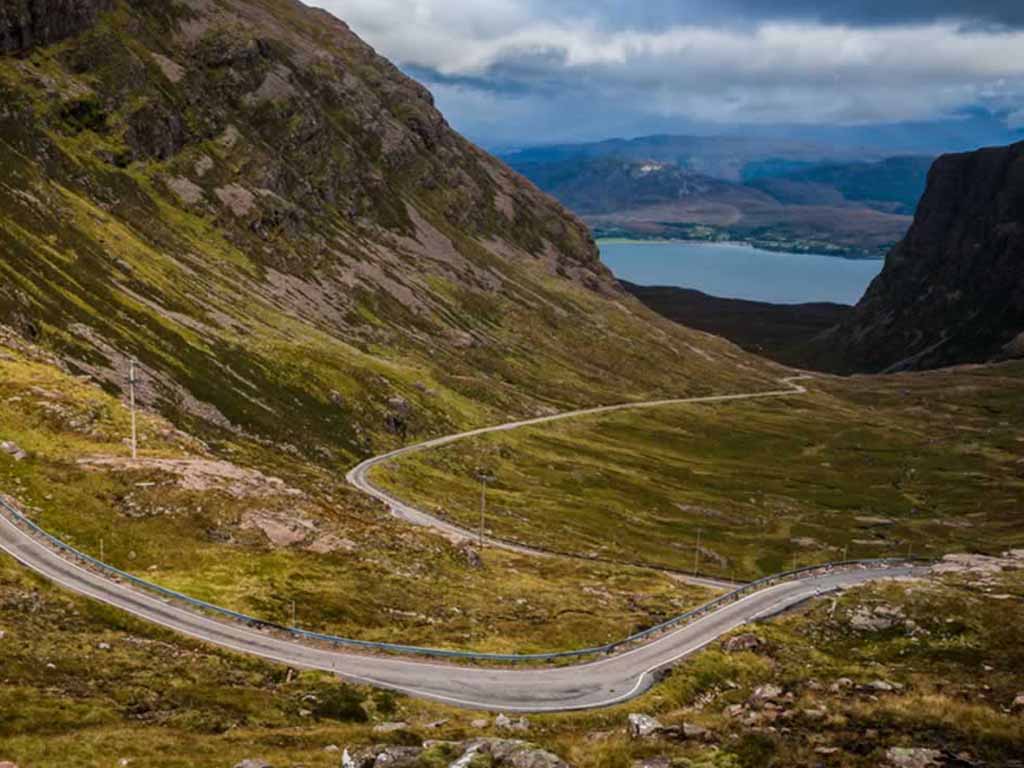
Unveiling Nature’s Masterpiece: The Applecross Landscape
Prepare to be mesmerised as you set foot on the Applecross Peninsula, where Mother Nature showcases her artistic brilliance. Towering mountains, dramatic coastlines, and pristine beaches blend harmoniously to create an awe-inspiring and tranquil landscape. With its crown jewel, the Bealach na Bà, a winding mountain pass offering panoramic vistas, the Applecross Peninsula is a paradise for nature lovers and photography enthusiasts.
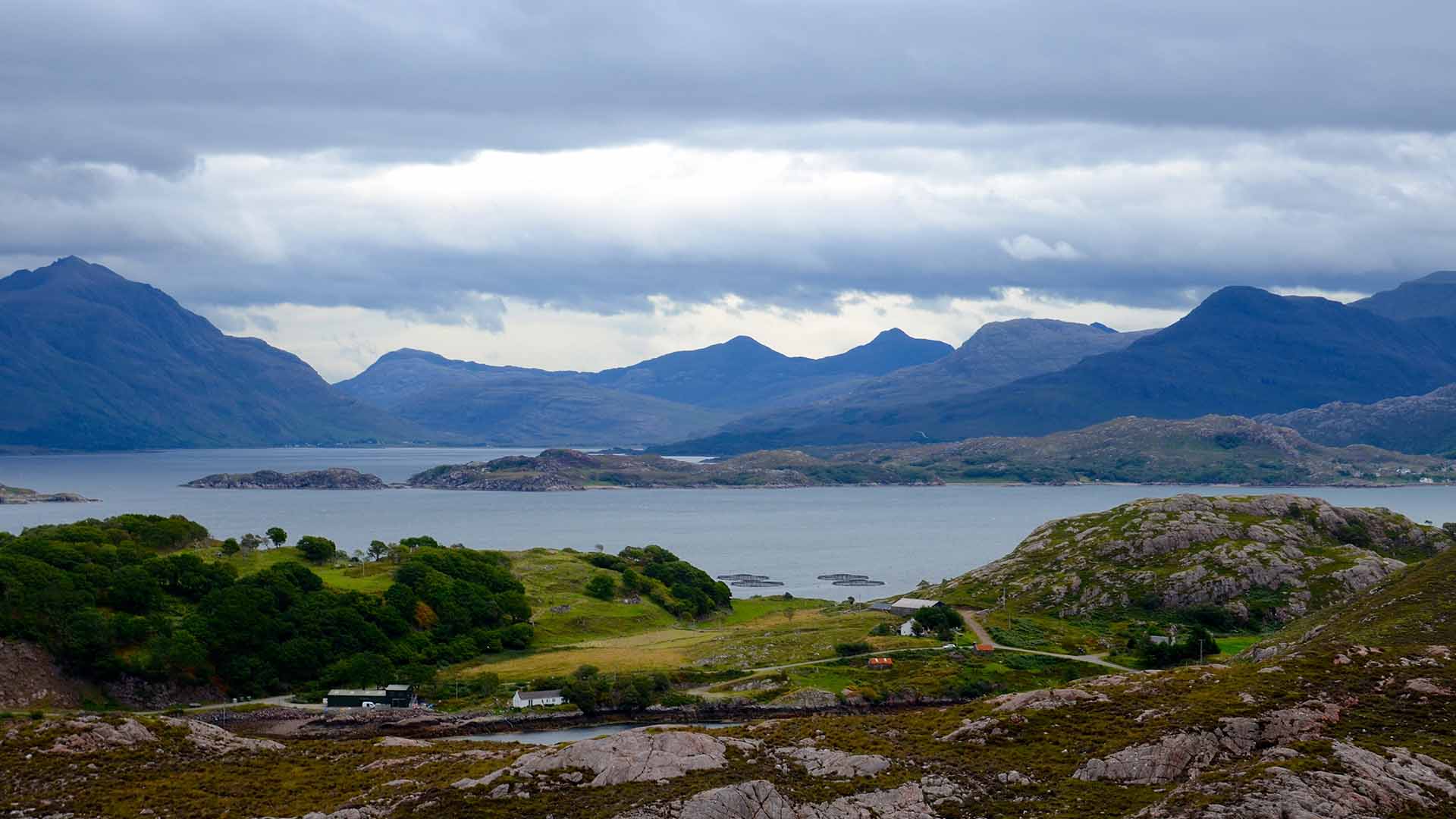
Immerse Yourself in History and Culture
Delve into the rich tapestry of history and culture that envelops the Applecross Peninsula. Visit the historic Applecross Estate, where the remnants of a Pictish broch stand as a testament to the ancient civilisations that once thrived here. Explore the picturesque village of Applecross, where traditional, white-washed cottages and a charming 19th-century church transport you back in time. Engage with the friendly locals and learn about their traditions, music, and folklore, immersing yourself in the vibrant heritage of this enchanting land.

A Haven for Outdoor Enthusiasts
Adventure beckons on the Applecross Peninsula at every turn, making it a playground for outdoor enthusiasts. Whether you’re an avid hiker, a passionate cyclist, or a water sports aficionado, this destination has something for everyone. So, lace up your boots and conquer the few challenging trails that crisscross the peninsula, or hop on your bike and embark on a thrilling journey along the winding coastal roads. For those seeking aquatic thrills, kayaking, fishing, and diving opportunities await in the crystal-clear waters surrounding the peninsula.

Exploring the Wildlife and Marine Life
The Applecross Peninsula is a sanctuary for wildlife and marine creatures, making it a paradise for nature enthusiasts. Take a leisurely stroll along the coastline and spot seals basking on the rocks, or keep your eyes peeled for majestic sea eagles soaring high above. Embark on a boat tour and venture into the depths of the sea, where dolphins gracefully dance in the waves and whales majestically breach the surface. The peninsula’s diverse ecosystem will leave you in awe of the wonders that thrive in this pristine environment.
A Taste of Gastronomic Delights
Indulge your taste buds in a culinary journey that showcases the finest flavours of Scotland. The Applecross Peninsula is renowned for its fresh seafood, and you’ll find a selection of charming restaurants and traditional pubs that serve up delectable dishes crafted from locally sourced ingredients. From succulent langoustines to melt-in-your-mouth scallops, every bite is a testament to the region’s gastronomic prowess.

Off the Beaten Path: Hidden Gems of the Applecross Peninsula
While the Applecross Peninsula itself is a hidden gem, there are also lesser-known treasures waiting to be discovered within its borders. Venture off the beaten path and stumble upon secluded coves with untouched beaches, where you can have a slice of paradise all to yourself. Explore ancient ruins nestled in the hills, whispering tales of the past. Or hike to hidden viewpoints that offer panoramic vistas of the rugged coastline and the endless expanse of the sea. These hidden gems add an element of mystery and adventure to your journey, rewarding the intrepid explorer with unforgettable experiences.
Travelling to Applecross
The west of Scotland is easily accessible by car, and the journey toward the Applecross peninsular takes you through some of the most breath-taking scenery Scotland has to offer.
From the west, you can choose the scenic approach via the A82 passing Fort William and Spean Bridge, eventually joining the A87 at Invergarry on Loch Oich and onward toward Skye. At Auchtertyre, you’ll turn north and follow the narrower A890 that takes you toward Stromferry, Strathcarron and eventually to the A896 to Lochcarron. The A896 carries on to Kishorn before turning north toward Shieldaig.
Alternatively, you can approach from the east, passing Inverness which is easily accessible via the A9. You’ll pick up the A835 shortly after crossing the Beauly Firth and follow that until you meet the junction with the A832, a short distance after Garve.
If your destination is Lochcarron or Kishorn, you’ll turn left off the A832 at Achnasheen and follow the A890 which joins the A896 just before Lochcarron.
If you’re heading to the north of the peninsular, you’ll remain on the A832 until Kinlochewe, where you’ll turn left onto the A896. This will take you through the awe-inspiring Glen Torridon and eventually onto Shieldaig and destinations further west.
Which ever way you choose to approach, it’ll be a memorable drive, so allow plenty of time to drink in the views.
Tranquillity and Serenity: Applecross’s Hidden Retreats
Tucked away amidst nature’s embrace, our idyllic holiday cottages offer a sanctuary for weary travellers seeking respite from the hustle and bustle of everyday life. You’ll find yourself enchanted by the peace and solitude that envelops you.
You can find our properties clustered around the gateway to Applecross at Lochcarron and Kishorn, both of which can be found to the southeast of the peninsula and named after the lochs where they reside. Or, alternatively, around Shieldaig to the northeast, which places you nicely to explore the majestic Torridon mountains and the rest of Wester Ross.
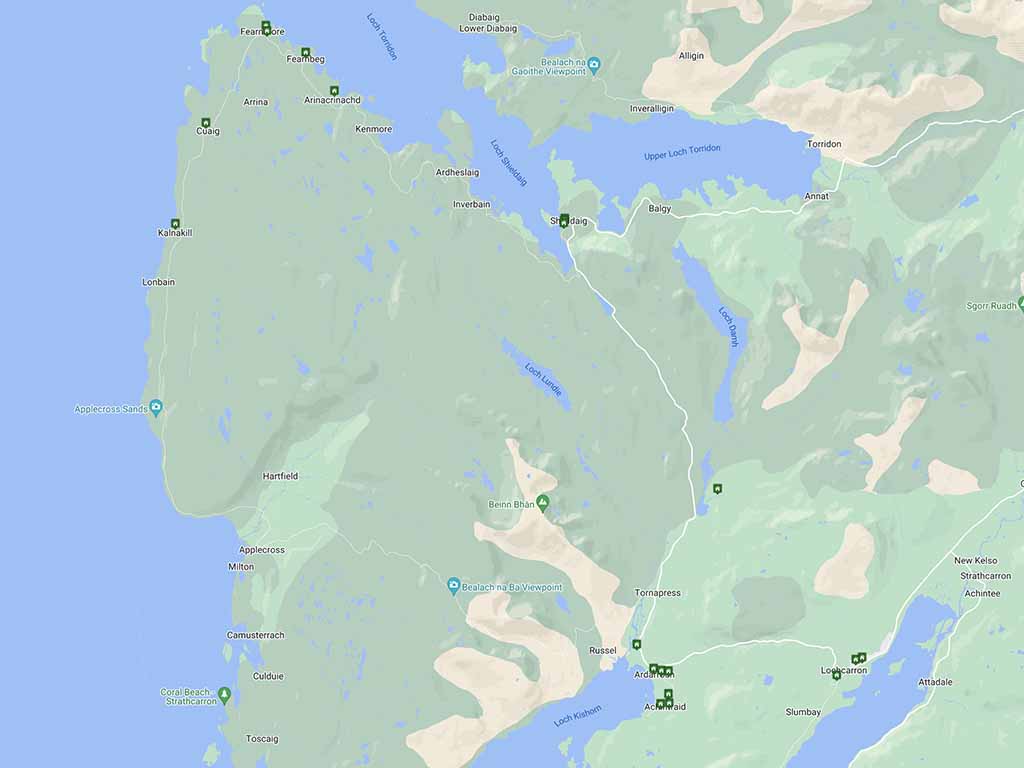
Additionally, we have properties that are further west, situated near the magnificent Loch Torridon and accessed via the minor road that circumnavigates the peninsular. Finally, carrying on further around, on the west coast road, we have further properties, adding more secluded retreats that offer a haven of tranquillity and serenity.
Mostly, our properties are comfortable, converted, traditional cottages, which follow the style of the region. However, we offer alternatives, from stylish modern houses to cosy cabins, so we’re sure you’ll find something suitable for your stay.
Embrace the Slow Pace of Life
One of the most enchanting aspects of the region is its relaxed and unhurried way of life. So far away from the hustle and bustle of the towns and cities, time seems to slow down here, allowing you to fully embrace the beauty of each moment. Breathe in the crisp, clean air as you take leisurely walks along the beach, or simply find a cosy spot to sit and marvel at the ever-changing colours of the sky as the sun sets over the horizon. Let the tranquillity of the peninsula rejuvenate your soul and leave you feeling refreshed and inspired.
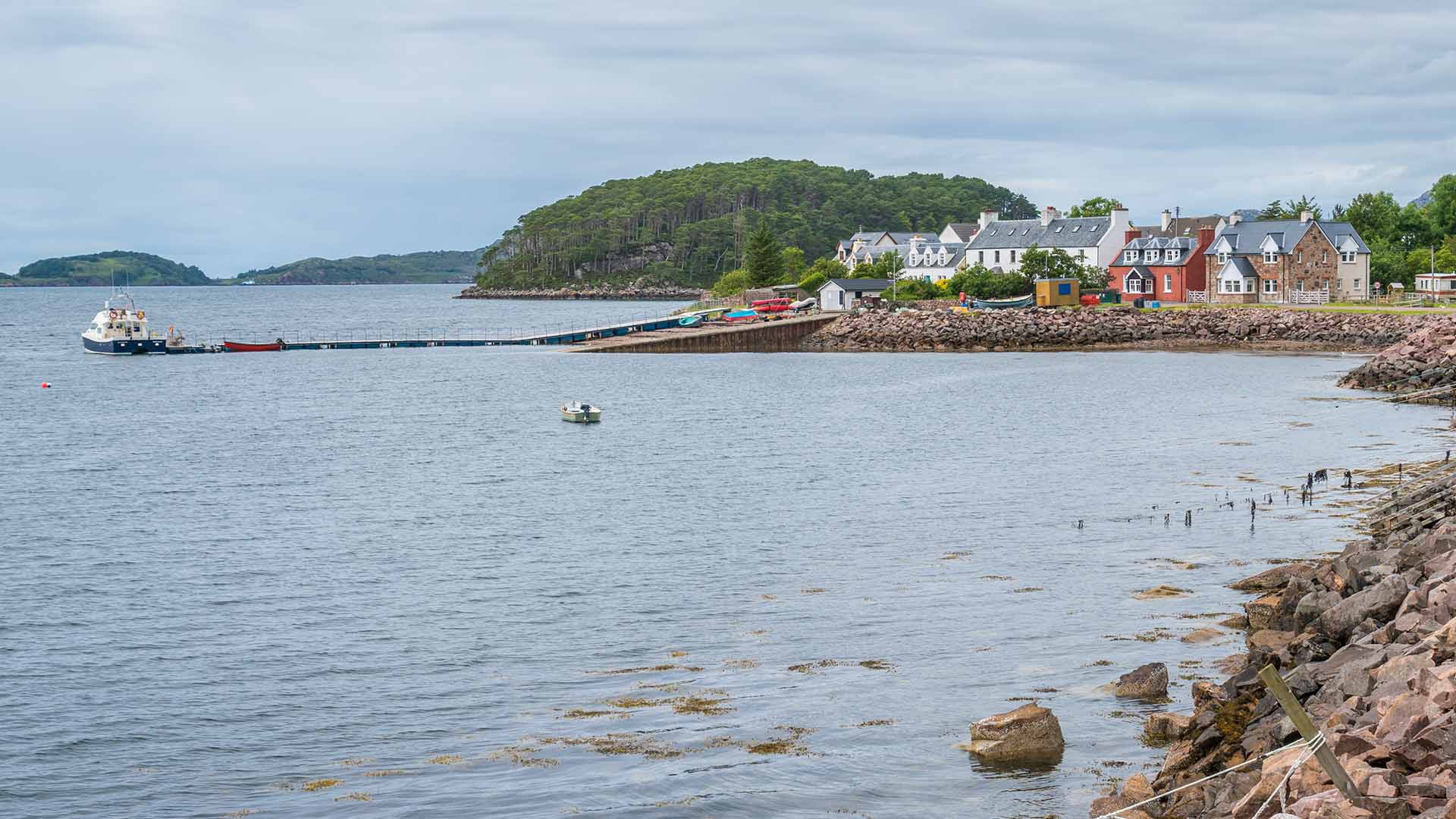
Connecting with Nature’s Rhythm
In a world dominated by technology and constant connectivity, the Applecross Peninsula offers a chance to disconnect and reconnect with nature’s rhythm. However, our holiday cottage owners recognise that Wi-Fi is useful for weather forecasts, booking attractions, and keeping in touch with loved ones at home. Currently, all our properties offer connection to the internet, but be aware that superfast broadband is a rarity rather than the norm.
Why not take the opportunity to immerse yourself in the simplicity and beauty of the natural world as you witness the ebb and flow of the tides, the rustle of leaves in the wind, and the symphony of birdsong that fills the air. Allow the stillness of the peninsula to calm your mind and awaken your senses, providing a much-needed respite from the demands of modern life.